01Prominence
Prominent ears
Ears that stand out from the head brought into a natural position.
Ask about this →Ear-reshaping surgery that sets prominent or misshapen ears closer to the head — a subtle, permanent correction that looks natural from every angle.
Otoplasty — ear correction, or ear pinning — reshapes the cartilage of the outer ear so prominent or folded ears sit closer to the head and in better proportion with the face.
It's a precise, structural procedure. Through a hidden incision behind the ear, the cartilage is reshaped and secured — not simply pinned flat — so the natural fold of the ear is recreated rather than erased.
The aim is ears you stop noticing: balanced, symmetrical and in keeping with the rest of your features, from the front and the side.
Typical ranges for a straightforward case. Your own plan — technique, timings and anaesthesia — is confirmed at consultation.
Ears are cartilage, and cartilage remembers its shape. Trained as an ENT & head-neck surgeon, Dr. Barışkan reshapes the fold itself rather than simply stitching the ear back — so the correction looks natural and holds.
The incision sits in the crease behind the ear, so any fine scar is out of normal sight.
The natural antihelical fold is reshaped so the ear still looks like an ear, only neater.
The ear is brought closer to the head at a natural angle, not pinned flat against it.
The two ears are shaped to match each other and the proportions of your face.
Ears that stand out from the head brought into a natural position.
Ask about this →The antihelical fold recreated where it never fully formed.
Ask about this →An over-large bowl of the ear reduced and repositioned.
Ask about this →Two ears that differ in size or angle brought into balance.
Ask about this →Large or protruding earlobes refined as part of the correction.
Ask about this →An over-corrected or relapsed result reassessed and refined.
Ask about this →There is no fixed price list. Whether one ear or both need correcting, and how much reshaping is involved, changes the quote — so you get a personalised figure after your consultation.
Share photos — front and both sides of your ears — and receive a personalised plan and cost estimate, with no obligation.
I'd wanted this since school. What struck me was how normal my ears look now — not pinned back, just in the right place. From behind you'd never know anything was done.
My son was getting comments at school. Dr. Barışkan was brilliant with him, explained everything to both of us, and the result is completely natural. Both ears match now.
One ear stuck out more than the other my whole life. Now they're even. The scar behind the ear is invisible and the whole trip was well organised in English.
The ears are almost fully grown by about five to six, so otoplasty can be done from then into adulthood — there's no upper age limit for a healthy patient.
The incision sits in the crease behind the ear, so any fine scar is hidden from normal view.
No — the aim is a natural angle, not ears flattened against the head. The fold of the ear is reshaped so it still looks like an ear.
Most people describe mild soreness rather than pain, easily managed with simple pain relief. A supportive dressing protects the ears at first.
Most adults are back to work within a week, once the main dressing is off and a headband takes over at night.
A soft headband at night for a few weeks protects the ears while they set — it's the main thing that safeguards the result.
Yes. If only one ear is prominent, that ear alone can be corrected and matched to the other.
Yes — the reshaping is permanent. Rarely an ear relaxes slightly and a small adjustment is made.
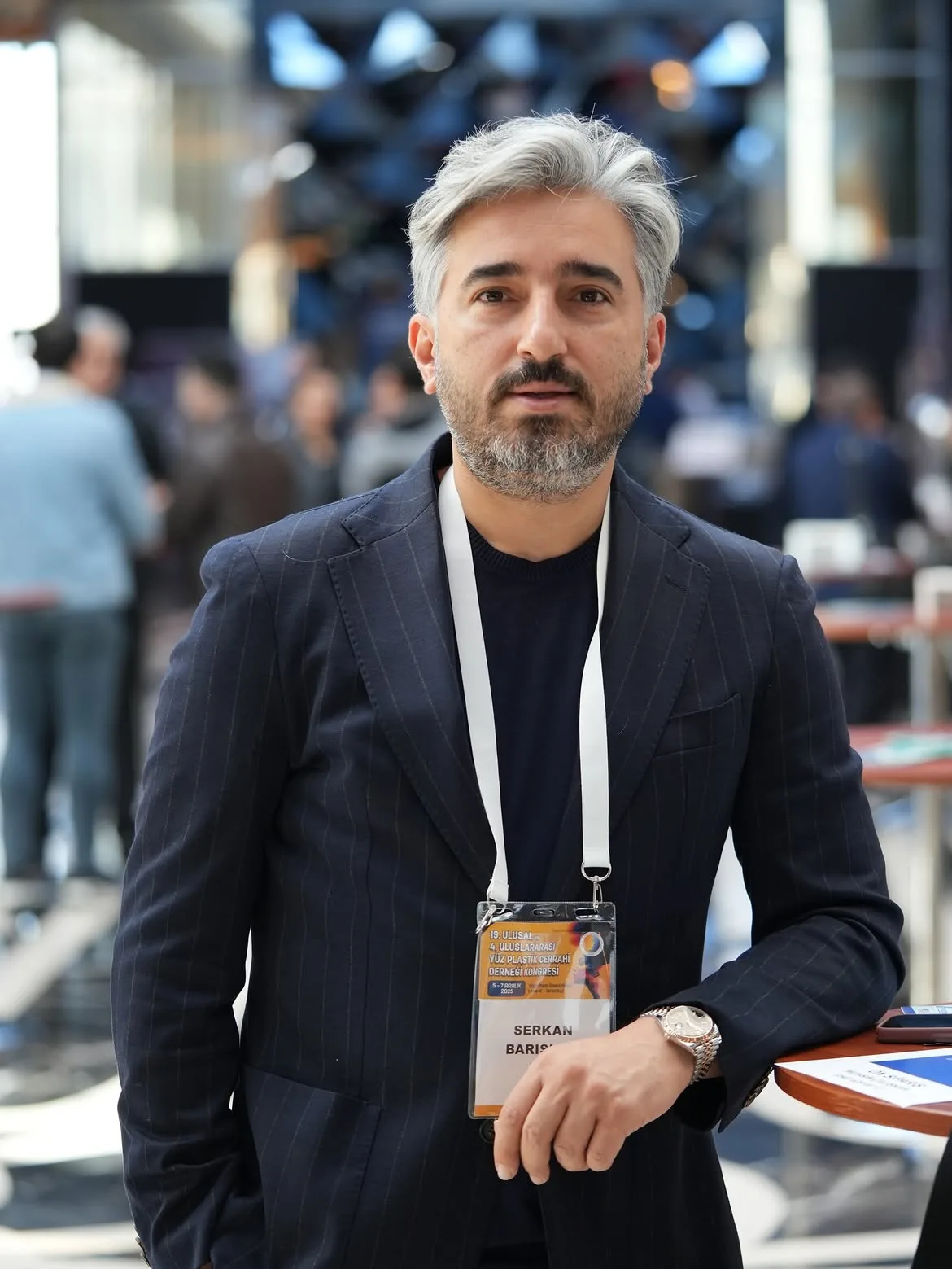
Last reviewed July 2026. The clinical information on this page is written and reviewed by the operating surgeon. It is general guidance, not a substitute for a personal consultation.
Send a few photos and tell us what you'd like to change — you'll get a personalised plan and cost estimate, with no obligation.